Crypto Holders Face a Regulatory Warning That Could Reshape How You Store and Move Coins
You can order the same kind of articles for your own video to boost it on YouTube and Google. Just message the Telegram bot @sat_sit_bot. Articles with your video embedded are written and posted by the bot itself — on popular topical sites (no ads). Free trial — 50 articles.
Key takeaways
- The main warning for crypto holders is regulatory and platform risk, not price volatility alone.
- Coins with no issuer and no foundation behind them, such as BTC and ZEC, carry less regulatory exposure than tokens tied to a company or protocol team.
- Custody choice matters: holding on an exchange means accepting that platform's terms, KYC rules and withdrawal policies.
- Diversifying across assets does not remove counterparty risk if all holdings sit on one platform.
- Self-custody and a clear record of where each coin is held are the basic defenses against sudden rule changes.
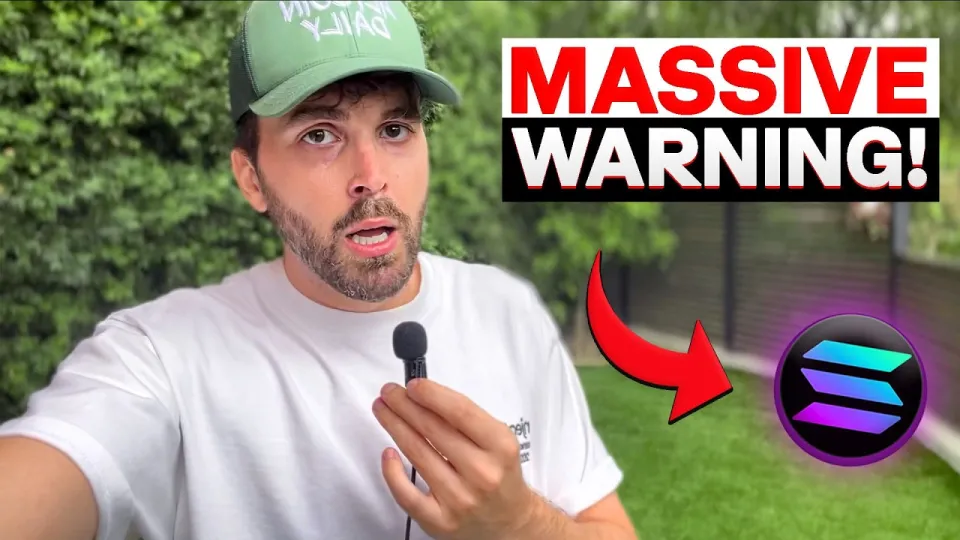
Crypto holders are being warned that the biggest threat to their portfolios is not a price crash but regulation and platform risk. Rules on custody, token classification and exchange operations can change how coins are held, moved and sold, and those changes usually arrive with little notice. Altcoin Daily's breakdown walks through what that means in practice, and new users can review the Weex welcome bonus and registration page to see how one platform structures its onboarding terms.
Why regulation is the warning that matters for crypto holders
The core argument is that regulatory decisions, not chart patterns, determine whether a holder can access, transfer or liquidate an asset. When a jurisdiction reclassifies a token or tightens rules for exchanges, the effect is immediate: withdrawals pause, trading pairs disappear, and users are asked for additional documentation. A holder who has never considered where their coins physically sit is exposed to decisions made by people they have never spoken to.
This is why the warning is aimed at holders rather than traders. A trader can exit a position in minutes; a long-term holder may have coins staked, lent or parked on a platform for months. The risk compounds when the same platform is used for storage, trading and yield, because a single policy change touches every part of the position at once.
Which coins carry less regulatory exposure
Assets with no issuing company and no foundation controlling supply are structurally harder to restrict than tokens tied to a team, a treasury or a private company. Bitcoin is the clearest example: there is no entity to subpoena, no roadmap to change and no insider allocation to unlock. Zcash is often grouped with it because it is a long-running, decentralized network with its own privacy design rather than a corporate product.
By contrast, tokens issued by a foundation or a startup carry what holders should treat as an extra layer of risk: the issuer's legal status, its jurisdiction and its treasury policy all feed into how the token can be treated. That does not make such tokens bad investments, but it does mean the holder is exposed to decisions made by a counterparty, not just to market sentiment.
A practical way to audit a portfolio is to sort every position into two buckets:
- Assets with no issuer and no controlling foundation.
- Assets where a company, foundation or DAO treasury controls supply, unlocks or governance.
Bucket two needs a larger margin of safety, because the rules around it can shift faster than the technology.
Custody, KYC and the platform question
Holding coins on an exchange means accepting that platform's terms, its verification requirements and its withdrawal policy. If a platform introduces stricter identity checks, restricts certain regions or pauses withdrawals during a review, the holder has no vote. The same logic applies to lending products: a yield offered on a stablecoin or a token is a claim on the platform, not on the underlying asset.
The practical checklist for custody is short:
- Know exactly which coins sit on an exchange and which sit in a wallet you control.
- Keep the seed phrase offline and separate from any device used for trading.
- Test a small withdrawal before moving a large balance to a new platform.
- Read the terms on account freezes and regional restrictions, not just the fee schedule.
Splitting holdings across platforms reduces the chance that one policy change locks up the entire portfolio, but it does not remove counterparty risk. Only self-custody does that, and it comes with its own responsibility for backups and key security.
Typical questions from crypto holders
The questions that come up most often around this warning are practical rather than theoretical. Holders want to know whether mainstream brokerage-style apps are safe for crypto, whether decentralized lending protocols are affected, and why some large-cap tokens rarely get mentioned in these discussions.
On brokerage apps, the key distinction is custody: if the app holds the coins for you, the terms you agreed to govern what happens during a restriction, and those terms are usually broader than an exchange's. On decentralized lending, the risk shifts from a company to smart contracts and governance votes, which is a different failure mode rather than an absence of risk. On token coverage, the useful rule is to apply the same questions to every asset regardless of popularity: who issues it, who controls supply, and where is it held.
A second recurring theme is timing. Some holders assume a warning implies an immediate crash and plan to buy lower. The more realistic reading is that regulatory changes are slow, uneven and jurisdiction-specific, so the right response is structural preparation rather than a single market call.
How to prepare a portfolio for regulatory shifts
Preparation means documenting your holdings and reducing single points of failure before anything changes. A simple written record of every position, the platform holding it and the wallet backup location takes an hour and pays off during any disruption.
Steps worth taking now:
- List each asset with its issuer status and the entity, if any, behind supply.
- Move long-term holdings into self-custody and verify the backup works.
- Keep a small operational balance on exchanges for trading only.
- Review staking and lending positions for lock-up periods that could trap funds.
- Track regulatory news for the jurisdictions where your platforms are licensed.
The goal is not to predict which rule arrives first, but to make sure no single rule can freeze access to everything at once.
Platforms mentioned in the breakdown
Altcoin Daily's description includes two registration links for viewers who want to compare platform terms directly:
Anyone using either should read the bonus conditions, verification requirements and withdrawal rules before depositing, since those terms are exactly what the warning is about.
Conclusion
The warning to crypto holders is a reminder that regulatory and platform risk sit alongside price risk, and they are the part most holders never plan for. Sorting assets by issuer, separating self-custody from trading balances and reading platform terms are unglamorous steps that decide whether a rule change is an inconvenience or a frozen portfolio. Altcoin Daily's video breakdown frames the issue clearly: the coins you hold matter, but where and how you hold them matters just as much. Before opening any new account, check the Weex bonus and registration details and confirm the terms match how you intend to use the platform.
Questions & answers
Are mainstream brokerage apps safe for holding crypto?
They are convenient but usually custodial, which means the app's terms govern your access rather than your own keys. If the platform restricts withdrawals or changes its crypto policy, you depend on its process and timeline. Treat them as trading venues and keep long-term holdings in self-custody.
Does this warning apply to decentralized lending protocols?
The risk changes shape rather than disappearing. Instead of a company's policy, you face smart contract bugs and governance votes that can alter parameters. The issuer question still applies: check who controls the protocol's treasury and who can change the rules.
Why do some large-cap tokens rarely appear in these discussions?
Tokens with a known issuer, a foundation treasury or unlock schedules carry more regulatory surface, so they are discussed differently from assets with no controlling entity. That does not make them unsafe, but holders should apply the same issuer and custody questions to every position.
Does a regulatory warning mean prices will drop soon?
Not necessarily. Rule changes are slow, uneven across jurisdictions and often announced with little warning, so the market reaction is unpredictable. The practical response is to reduce counterparty exposure and document holdings rather than to time a single trade.
Source: My MASSIVE Warning To Crypto Holders · Markdown version